

Most Americans are Obsessed with Protein; What about Folks Living with CKD?
By Kaylee Porter MS, RD, LDN
Protein is the macronutrient of 2026. The high protein food market is projected to grow from USD 55.38 billion in 2026 to USD 105.34 billion by 2034.(3) The grocery store shelves make it feel like everything now comes with protein added, from Cup Noodles to Pop-Tarts. With so many new players chasing the trend, even the products you'd never associate with a health claim are getting in on it.
The collision between the loudest nutrition trend in years and one of the most under-diagnosed conditions in the country is playing out in a lot of kitchens where no one realizes there's a conflict at all. Per the CDC’s updated statistics on chronic kidney disease (CKD), more than 1 in 10 (14%) of adults aged 18 or older (approximately 37 million people) were estimated to have CKD.(1)
With such a large portion of the population affected, it truly begs the question: why is nobody writing about this? Throughout this article I break down where this loud trend collides with CKD, why nutrition therapy for this population requires wildly different protein targets, and what to do if you're managing CKD.
What caused the “protein obsession”
The push for protein coincides with almost everything people are after right now: weight management, muscle gains, and healthy aging. There's also a more specific increase in demand for folks on GLP-1 medications, whose needs differ from the average person's, requiring a high protein intake to help prevent muscle and bone loss associated with rapid weight loss.
The market was further amplified in January 2026 when the federal government's new Dietary Guidelines for Americans (DGA), 2025–2030, raised the recommended protein target from 0.8-1.0g/kg to roughly 1.2-1.6g/kg of body weight.(2) Americans were encouraged to prioritize protein sources at each meal, making marketing initiatives for food companies highly centric on displaying protein-forward positioning on their labels.
The problem hiding under the enthusiasm is that most Americans don't know how much protein they actually need, and among those who think they do, most guess incorrectly.
The intersection of food trends and CKD
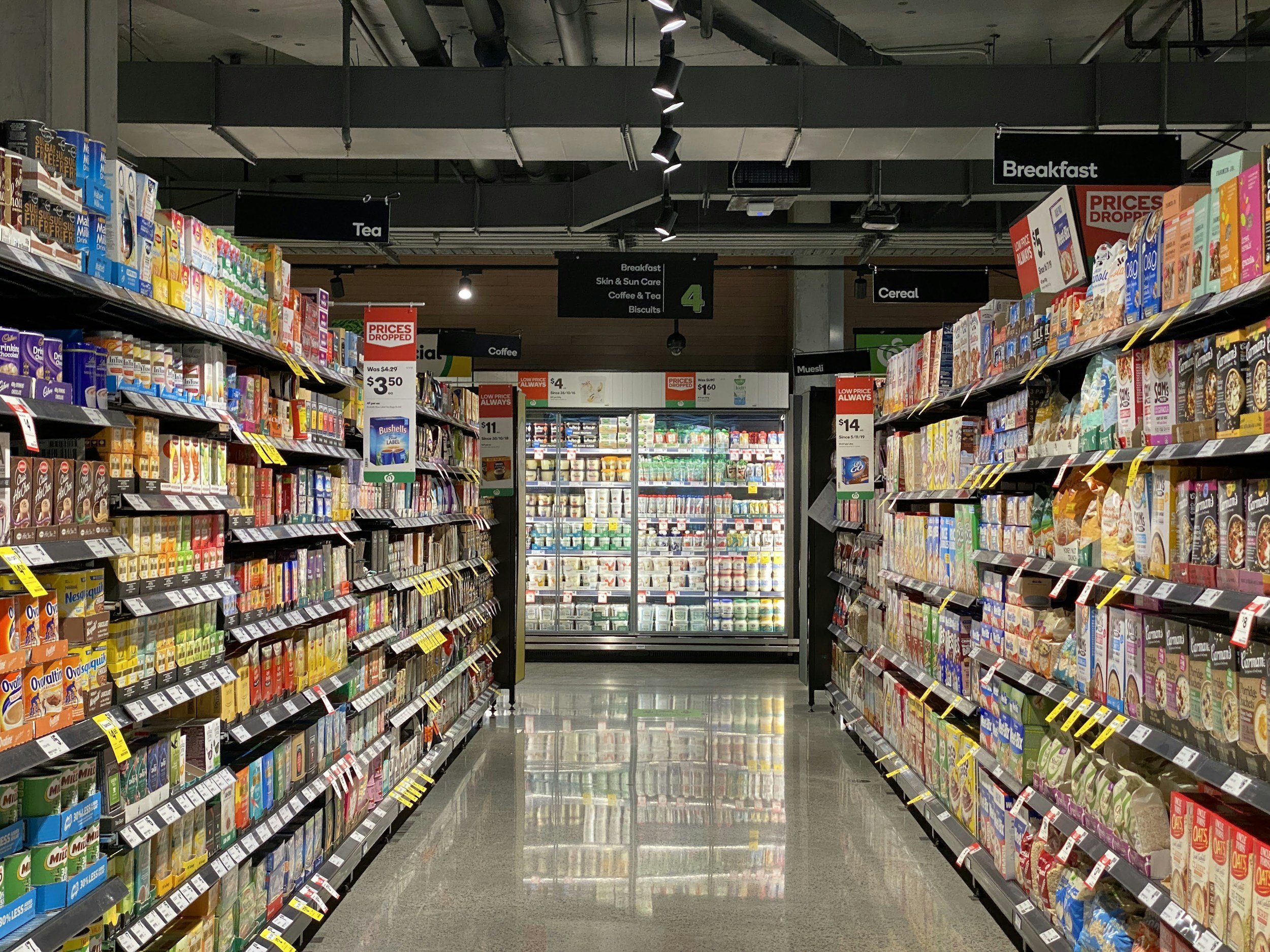
For someone living with CKD not on dialysis, navigating the options available at the grocery store can feel like an obstacle course. This is primarily due to many brands transitioning to the “better for you” formulations, which also happen to align with the trend of higher-protein means the product is “healthier”. The lower protein staples that were once utilized (oatmeal, bagels, cereal, popcorn, and pasta) are now quietly being crowded out or reformulated. What used to be an already difficult condition to manage (lower salt, lower potassium, lower phosphorus, lower protein), has now been further amplified by the increase in demand for protein.
The recommendation for CKD stages 3-5 is usually to moderate protein, often to somewhere around 0.6-0.8 g/kg/day. For an average person weighing 180#, this would equate to 49-69g of protein daily. Now, imagine a piece of meat (chicken/beef/turkey) the size of a deck of playing cards or the palm of an adult hand, that’s approximately 26g of protein. Without factoring in other sources of protein (dairy, cheese, nuts, beans, tofu, brown rice, quinoa, eggs), you can unintentionally exceed your daily protein limit.
This can quickly become problematic because when you eat protein, it’s your kidneys job to filter out the waste products it leaves behind. For normal healthy kidneys a higher protein diet is no problem, but in CKD stages 3-5 the kidneys are already damaged to the added strain can speed up the decline in function over time. The kidneys have a lot of different jobs including blood filtering for waste, balancing fluid and key electrolytes (sodium, potassium), managing blood pressure, maintaining bone health, and producing signals to continue producing healthy red blood cells. As function drops, those jobs falter one by one, which is why declining kidney health tends to show up across the body.
CKD generally calls for moderate protein consumption, but when patients require dialysis, the need for protein increases. The treatment itself pulls protein out of the blood, so people on dialysis actually need more, around 1.0–1.2 g/kg/day.
Why it matters
If you have CKD, set your target with your care team. That's a conversation with a nephrologist and/or a dietitian. As always, make sure to carefully read nutrition labels. If you are looking for additional resources, the National Kidney Foundation is a great place to dive into this topic deeper.
Sources:
Centers for Disease Control and Prevention. Chronic Kidney Disease in the United States. Atlanta, GA: U.S. Department of Health and Human Services, Centers for Disease Control and Prevention; 2026.
Gov, R. (2025). Dietary Guidelines For Americans.https://cdn.realfood.gov/DGA.pdf
https://www.fortunebusinessinsights.com/high-protein-food-market-111097
Want to stay up to date on the latest nutrition news and practical healthy eating tips? Subscribe to our newsletter for expert-backed articles explained in a way that's easy to understand.
