

Most Americans are Obsessed with Protein; What about Folks Living with CKD?
By Kaylee Porter MS, RD, LDN
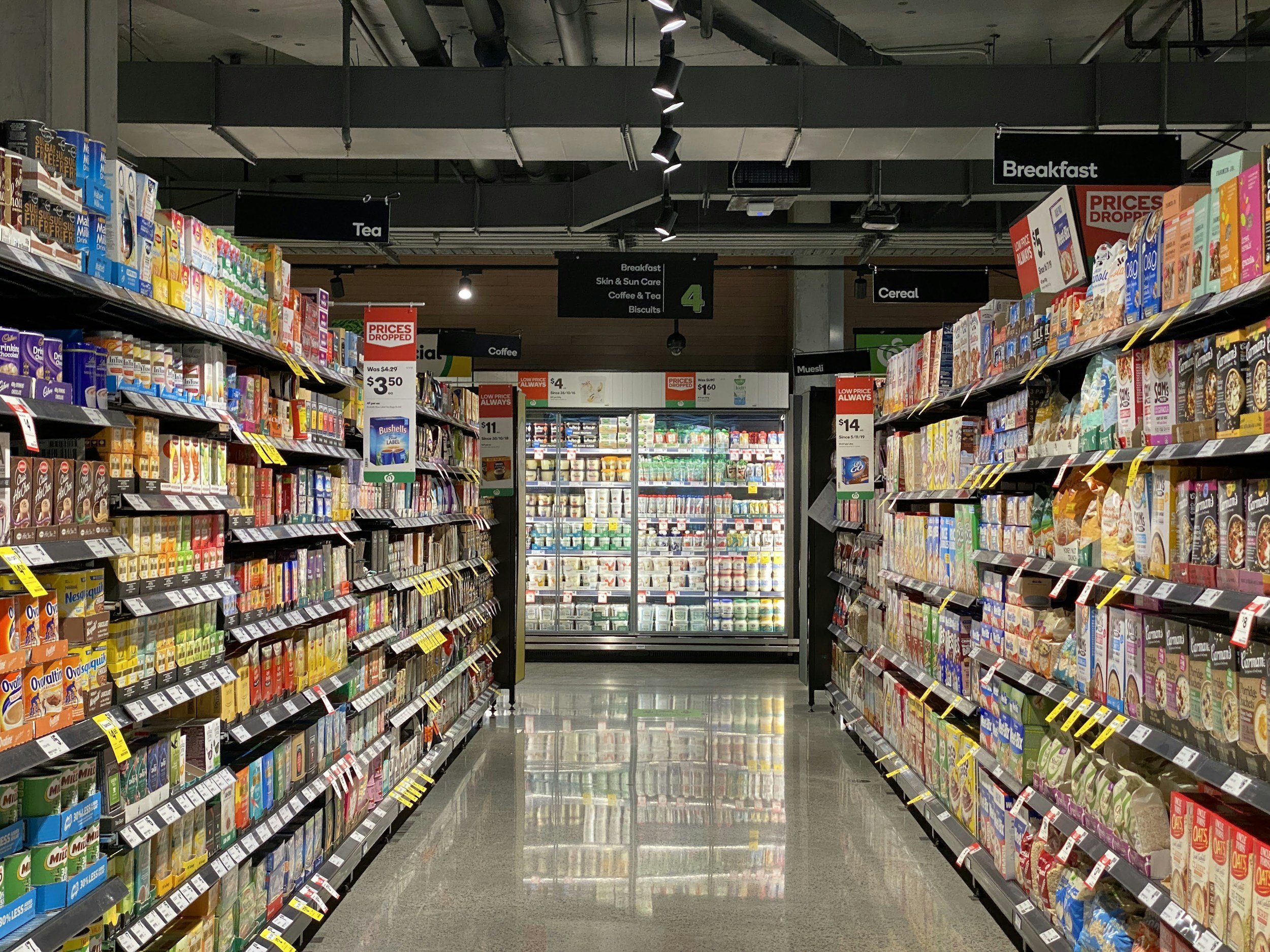
Protein is the macronutrient of 2026. The high protein food market is projected to grow from USD 55.38 billion in 2026 to USD 105.34 billion by 2034.(3) The grocery store shelves make it feel like everything now comes with protein added, from Cup Noodles to Pop-Tarts. With so many new players chasing the trend, even the products you'd never associate with a health claim are getting in on it.
The collision between the loudest nutrition trend in years and one of the most under-diagnosed conditions in the country is playing out in a lot of kitchens where no one realizes there's a conflict at all. Per the CDC’s updated statistics on chronic kidney disease (CKD), more than 1 in 10 (14%) of adults aged 18 or older (approximately 37 million people) were estimated to have CKD.(1)
With such a large portion of the population affected, it truly begs the question: why is nobody writing about this? Throughout this article I break down where this loud trend collides with CKD, why nutrition therapy for this population requires wildly different protein targets, and what to do if you're managing CKD.
What caused the “protein obsession”
The push for protein coincides with almost everything people are after right now: weight management, muscle gains, and healthy aging. There's also a more specific increase in demand for folks on GLP-1 medications, whose needs differ from the average person's, requiring a high protein intake to help prevent muscle and bone loss associated with rapid weight loss.
The market was further amplified in January 2026 when the federal government's new Dietary Guidelines for Americans (DGA), 2025–2030, raised the recommended protein target from 0.8-1.0g/kg to roughly 1.2-1.6g/kg of body weight.(2) Americans were encouraged to prioritize protein sources at each meal, making marketing initiatives for food companies highly centric on displaying protein-forward positioning on their labels.
The problem hiding under the enthusiasm is that most Americans don't know how much protein they actually need, and among those who think they do, most guess incorrectly.
The intersection of food trends and CKD
For someone living with CKD not on dialysis, navigating the options available at the grocery store can feel like an obstacle course. This is primarily due to many brands transitioning to the “better for you” formulations, which also happen to align with the trend of higher-protein means the product is “healthier”. The lower protein staples that were once utilized (oatmeal, bagels, cereal, popcorn, and pasta) are now quietly being crowded out or reformulated. What used to be an already difficult condition to manage (lower salt, lower potassium, lower phosphorus, lower protein), has now been further amplified by the increase in demand for protein.
The recommendation for CKD stages 3-5 is usually to moderate protein, often to somewhere around 0.6-0.8 g/kg/day. For an average person weighing 180#, this would equate to 49-69g of protein daily. Now, imagine a piece of meat (chicken/beef/turkey) the size of a deck of playing cards or the palm of an adult hand, that’s approximately 26g of protein. Without factoring in other sources of protein (dairy, cheese, nuts, beans, tofu, brown rice, quinoa, eggs), you can unintentionally exceed your daily protein limit.
This can quickly become problematic because when you eat protein, it’s your kidneys job to filter out the waste products it leaves behind. For normal healthy kidneys a higher protein diet is no problem, but in CKD stages 3-5 the kidneys are already damaged to the added strain can speed up the decline in function over time. The kidneys have a lot of different jobs including blood filtering for waste, balancing fluid and key electrolytes (sodium, potassium), managing blood pressure, maintaining bone health, and producing signals to continue producing healthy red blood cells. As function drops, those jobs falter one by one, which is why declining kidney health tends to show up across the body.
CKD generally calls for moderate protein consumption, but when patients require dialysis, the need for protein increases. The treatment itself pulls protein out of the blood, so people on dialysis actually need more, around 1.0–1.2 g/kg/day.
Why it matters
If you have CKD, set your target with your care team. That's a conversation with a nephrologist and/or a dietitian. As always, make sure to carefully read nutrition labels. If you are looking for additional resources, the National Kidney Foundation is a great place to dive into this topic deeper.
Sources:
Centers for Disease Control and Prevention. Chronic Kidney Disease in the United States. Atlanta, GA: U.S. Department of Health and Human Services, Centers for Disease Control and Prevention; 2026.
Gov, R. (2025). Dietary Guidelines For Americans.https://cdn.realfood.gov/DGA.pdf
https://www.fortunebusinessinsights.com/high-protein-food-market-111097
Want to stay up to date on the latest nutrition news and practical healthy eating tips? Subscribe to our newsletter for expert-backed articles explained in a way that's easy to understand.
Gen Z Isn't Googling Nutrition Anymore. They're on Pinterest.
By Kaylee Porter MS, RD, LDN
You might remember using Pinterest in the past for creating a personalized wedding board, setting life goals, or even DIY crafting projects. While in the past, Pinterest was primarily utilized by the “older generations”, it has quietly become a search engine used by Gen Z for nutrition information. As younger users lean more towards Pinterest, the line between meal inspiration and nutrition advice gets blurred.
This post breaks down why Pinterest is surging amongst younger audiences, what's pulling them toward food and nutrition content, and how to get the real value out of the platform.
What’s driving these trends?
Pinterest reached a record 619 million monthly active users in its Q4 2025 report, up about 12% year over year. It now handles more than 5 billion searches monthly. On the demographic side, Gen Z is Pinterest's fastest-growing audience and now makes up roughly 42% of its global users.
In my professional opinion, Gen Z has grown tired of consuming content from Meta (Instagram, Facebook) as these spaces are largely viewed as being toxic for body image and mental health. Pinterest’s previous global chief of marketing Andréa Mallard stated, ”...we’re not trying to be a social space. You aren’t posting to Pinterest with the underlying question of, is this good enough?”(1) This speaks to the differences between posting content on Meta vs Pinterest, namely who the content is for. The Pinterest boards and pins you create aren’t for performance, they’re a safe space YOU.
In 2021, Pinterest became the first major social media platform to ban all weight-loss ads (Meta restricts but doesn’t outright ban weight loss ads). This policy was enacted after a partnership with the National Eating Disorders Association (NEDA). The rationale behind the decision of total prohibition on all weight loss language and imagery was to improve “pinners” mental health, combat the pandemic related rise in eating disorders, and support an environment of body positivity.
Pinterest prohibits content including ads featuring weight loss language, imagery, testimonials, BMI references, and weight loss products or procedures. Pinterest closely monitors search keywords relating to eating disorders and redirects the user to recovery resources including NEDA.
As of February 2025, Pinterest updated their weight loss ads policy to include ads for prescription and compounded GLP-1 medications. Pinterest’s focus on maintaining the integrity of being a positive and inspirational space is what’s making more Gen Z re-download the app.
Trend 1: Pinterest is a search engine
When searching on pinterest, many Gen Z search for “meal prep for the week”, “anti-inflammatory dinners”, etc. Often treating Pinterest as a search engine comparable to Google. The major differentiator is that Pinterest rewards “pins” and pictures that have been saved, not necessarily evidence-backed nutrition claims. This can become especially problematic when a person with a complex medical history uses Pinterest for nutrition education.
Trend 2: Gen Z is health conscious
Gen Z in particular ties food to identity and health. While this exposes Gen Z to the never ending nutrition trends (Keto, anti-inflammatory), younger folks tend to be more skeptical and question nutrition related claims more than their older counterparts.
Trend 3: Recipes & nutrition advice
Pinterest started out as being the place for recipe ideas, and now it’s becoming a go to spot for people to seek nutrition guidance. You can easily find posts about which foods to avoid, how to reset your gut, what to eat for _ (enter any specific condition), which supplements to include, etc.
Nutrition information and education to this level is best saved for discussions in a dietitian’s office to best match your estimated nutritional needs. Remember, anyone can make content that looks like it was made by a credentialed professional. Unfortunately, Pinterest doesn’t offer a credential check or tool for validating nutrition claims on the platform. This allows for misinformation to spread, especially when the post looks aesthetically pleasing.
What this looked like in the clinic
This isn't only a data trend to me. In outpatient practice, my clients frequently referenced Pinterest. Some would pull up a recipe they'd saved and ask whether it fit their goals. Others arrived with nutrition "rules" they'd absorbed from a pin: a food to never eat, a cleanse to try, a specific way of eating for a condition. This often made for a great starting point during sessions and helped gear the conversations towards how to identify evidence-based information on social media.
Why it matters
You don't need to quit Pinterest. Pinterest is excellent for meal inspiration, using up what's already in your fridge, and cooking on a budget. As always, before acting on nutrition advice, ask who made it, whether it points to real evidence, and whether it's ultimately selling a product or program. Avoid anything that promises X results from cutting out whole food groups without a medical reason.
For actual guidance, especially if you manage a health condition, verify it with a registered dietitian or your care team. Plenty of dietitians and evidence-based creators are on Pinterest, and following them changes what the algorithm recommends.
Citations:
Donohue M. Gen Z has turned Pinterest into a manifestation tool. Elle. Published November 13, 2025. Accessed July 26, 2026. https://www.elle.com/culture/tech/a69267093/gen-z-pinterest-manifestation/
Want to stay up to date on the latest nutrition news and practical healthy eating tips? Subscribe to our newsletter for expert-backed articles explained in a way that's easy to understand.
Stop Hiring Your Dietitian Last
By Kaylee Porter MS, RD, LDN
Most health brands bring a dietitian into the conversation at the very end. The product is built, the packaging is printed, the campaign is booked, and someone forwards the near-final claims for a quick "can we say this?" review. I think that's the most expensive habit in health marketing.
A registered dietitian's value isn't just in blessing a claim after it's written. It's in shaping the claim before the product hits the market. When companies follow this current pipeline, the money left on the table is bigger than the compliance risk.
What’s happening in health marketing?
In 2022 the Federal Trade Commission (FTC) replaced its 25-year-old supplement advertising guide with the Health Products Compliance Guidance, which now covers not just supplements but foods, functional beverages, apps, and devices. The standard it enforces is "competent and reliable scientific evidence," which for a health benefit generally means randomized, controlled human trials.
The FTC judges the "net impression" of an ad as a whole, including the product name and the imagery. A careful disclaimer doesn't save you if the name and the image promise a cure. Additionally, the agency focuses on what a reasonable consumer takes away, not what the marketer intended. Your good intentions or catchy phrasing don’t even enter the analysis.
My hot take: you’re using dietitians for the wrong job
When a brand hires an RDN as a final compliance check, or worse, rents an RD's name for a byline while ignoring their clinical judgment on the actual claims, it's spending money to buy a rubber stamp. That's the wrong job for the most useful person in the room.
A dietitian who knows how to read and interpret scientific literature reads a draft claim the way the FTC and a skeptical consumer both read it, and can tell you three things a copywriter can't.
What the current literature actually supports, and how to read it.
Where the claim outruns the evidence.
Which compliant claim would still sell.
Dietitians don't kill claims. They transform an un-runnable claim for a runnable one while it's still cheap to change. Here’s an example. A brand calls a product "Clinically proven to boost immunity.” A dietitian can tell you the difference between "there is a study" and "there is high-quality evidence" and can provide an honest claim the evidence supports. While that version is narrower, when handled well it reads as more credible to a customer who's tired of being oversold.
I'll take the obvious counterargument head on. "That's what our lawyer is for." Your lawyer tells you whether a claim is legally exposed. They usually can't tell you whether the underlying science is reliable, or write you a better claim that keeps the conversion and loses the risk. Those are different skills.
Why it matters
If you only see this as compliance, you're undervaluing it. The downside of getting it wrong is real and seen frequently: corrective advertising, refunds, etc. But the bigger cost is quieter. It's the launch you reprint because the name was a claim.
There's also an upside most brands sleep on. A credible, evidence-anchored claim is a moat. Anyone can write "boosts immunity." Far fewer can write the specific, substantiated version and stand behind it, and that specificity is what earns media coverage and retailer confidence, and it's what brings customers back.
How would this work?
Move the dietitian upstream by bringing them into product naming and positioning, not just the final legal read. Treat "what compliant claim still sells?" as a brief, not a constraint. If you're putting an RD's name on your content, use their judgment on the claims too, or you've bought the credibility and thrown away the value.
So here's the question worth sitting with: who reads your current claims the way a regulator will, and when?
Want to stay up to date on the latest nutrition news and practical healthy eating tips? Subscribe to our newsletter for expert-backed articles explained in a way that's easy to understand.
5 Food Trends You'll See Everywhere in 2026

By Kaylee Porter MS, RD, LDN
Every year brings new food trends, but not all of them are worth your attention. Some are social media fads, while others show lasting changes in behavior. In 2026 people want food that's healthy and affordable without adding work to an already full day. Whether you're trying to eat healthier or simply stay informed, understanding these trends can help you make smarter choices.
What’s driving these trends?
Several factors are shaping the foods people are buying this year. Consumers have been trying to balance prioritizing health and wellness and rising grocery costs. At the same time, advances in food technology and increased nutrition education on social media have made people more curious about what they're eating.
While the increase in nutrition education should be considered beneficial, many social media posts display non-evidence-based information from influencer-driven messaging. Registered dietitians have been increasing their presence on social media to help promote balanced eating patterns rather than restrictive diets in an attempt to combat the misinformation.
Key food trends for 2026
1. Protein is primary
Protein has become much more than a fitness trend. Consumers are looking for meals and snacks that help them stay full longer, support muscle health, and provide lasting energy throughout the day. This trend has become increasingly popular in the age of GLP-1 medications as the nutrition needs for that population require increased protein consumption to help prevent muscle and bone losses.
You'll notice protein appearing in unexpected places, including cereals, frozen meals, snack bars, yogurt, pasta, and even beverages. While these products can be convenient, prioritizing whole food sources remains best practice. Including protein at each meal may help improve fullness and make balanced eating easier throughout the day.
2. Functional foods
Foods that offer benefits beyond basic nutrition are becoming increasingly popular. Often called functional foods, these products may support gut health, heart health, immunity, or brain function. While functional foods show promising health benefits, the current body of evidence is still evolving. Many of the claims functional foods use are often supported by limited or low-quality evidence.
Incorporating functional foods into a balanced diet may support overall health, though current research is not strong enough to define specific doses, duration of use, or long-term health outcomes.
Common examples include:
Apple cider vinegar
Mushroom powders
Chlorophyll water
While many products advertise added health benefits, it's important to remember that no single food can replace an overall healthy eating pattern. Choosing nutrient-rich foods consistently often provides greater health benefits than relying on heavily marketed products.
3. Plant-forward eating
One of the biggest misconceptions about healthy eating is that you have to drastically change your diet, such as becoming a full-fledged vegan to improve your health. In reality, a plant-forward eating pattern simply means incorporating more vegetables, fruits, whole grains, beans, nuts, and seeds while still enjoying animal-based foods if desired. These meals are often cheaper and more filling than people expect.
Easy ways to get started include:
Filling half your plate with vegetables
Trying one meatless dinner each week
Eating more plant foods supports overall health while offering the flexibility to incorporate a variety of food groups.
4. Balanced snacking
People are moving away from snacks that leave them hungry an hour later. Instead, they’re looking for snack combinations to provide longer-lasting energy by pairing protein, fiber, and fat.
Examples include:
Apple slices with peanut butter
Greek yogurt with berries
Hummus with vegetables
Balanced snacks can help bridge the gap between meals without causing large spikes and crashes in energy. Choosing more satisfying snacks can improve concentration and help manage hunger throughout the day.
5. Budget-friendly nutrition
With grocery prices remaining a concern for many families, people are realizing that healthy eating doesn't have to be expensive. Some of the best staples are also the cheapest.
Affordable staples continue to be nutritional powerhouses, including:
Frozen fruits and vegetables
Canned beans
Oats
Eggs
Peanut butter
Brown rice
Canned tuna
Planning meals, buying produce in season, and reaching for store brands all help stretch a grocery budget without sacrificing nutrition. Healthy eating is more sustainable when it fits your budget and your goals.
How to adapt to these trends
You don't need to change how you eat overnight. Pick a few small changes that fit your actual week: add protein to breakfast, work more vegetables in, keep balanced snacks around for the gaps, stock a few cheap pantry staples for fast meals. Healthy eating isn't about following every trend. It's about building habits you can keep.
These trends are on shelves and menus already. More restaurants are putting protein-heavy breakfasts front and center, grocery aisles carry a wider range of probiotic foods and high-protein snacks, and meal kits are built around plant-forward recipes. Even budget shoppers now treat frozen produce and pantry staples as a smart way to eat well for less.
The strongest trends of 2026 have one thing in common: they make healthy eating more approachable for real life. You don't have to jump on the newest fad. Pick the habits that make you feel good, whether that's more protein, more plants, or cheaper staples that still deliver, and let the rest go.
Want to stay up to date on the latest nutrition news and practical healthy eating tips? Join our newsletter for expert-backed articles explained in a way that's easy to understand.